Discover Straits Restaurant
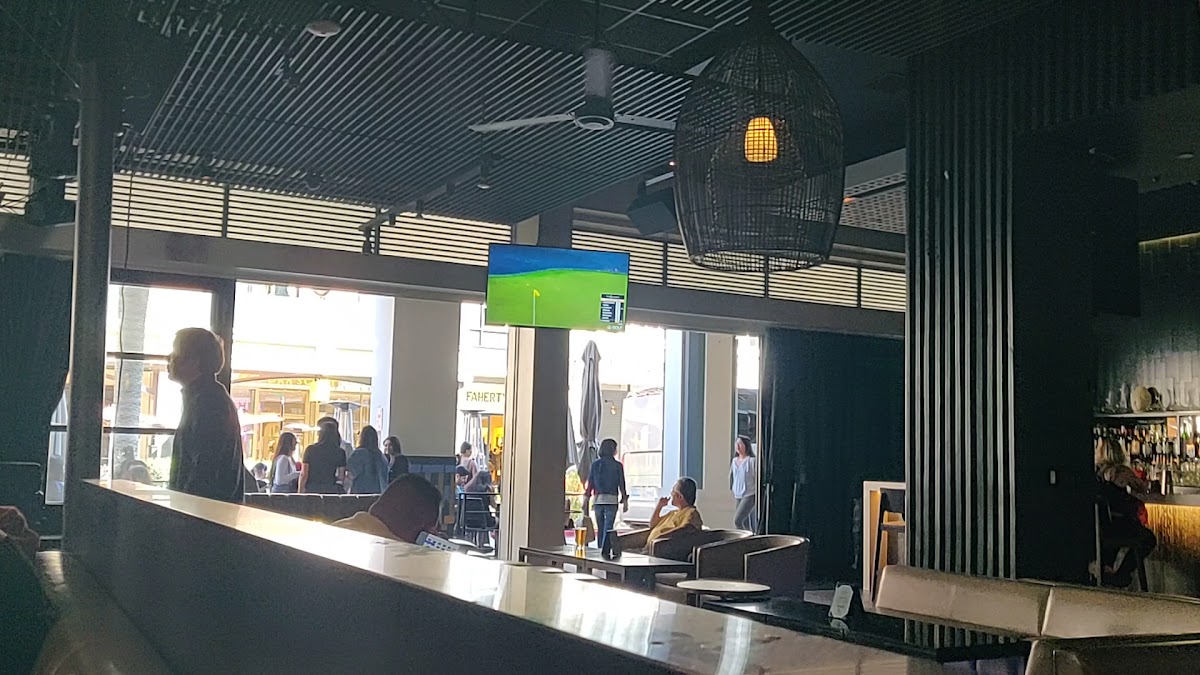
Walking into Straits Restaurant at 333 Santana Row #1100, San Jose, CA 95128, United States has always felt like stepping into a crossroads of cultures. I still remember my first visit after a long workday in Silicon Valley, when I wanted something comforting but layered with flavor. The room buzzed with conversation, plates moved quickly from the kitchen, and the aromas of ginger, chili, and lemongrass filled the air. It set the tone for a dining experience that leaned heavily on Southeast Asian inspiration while staying approachable for a wide range of tastes.
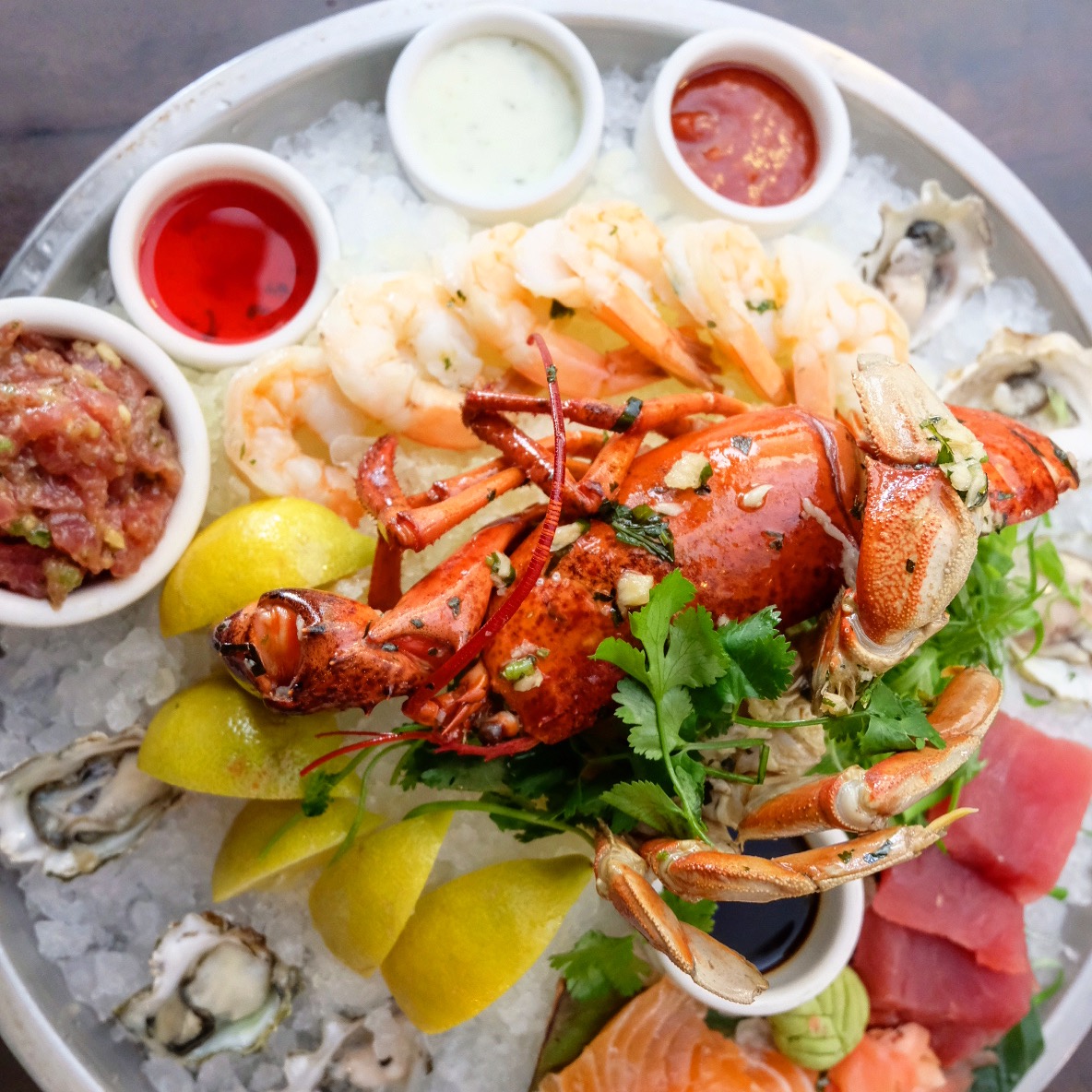
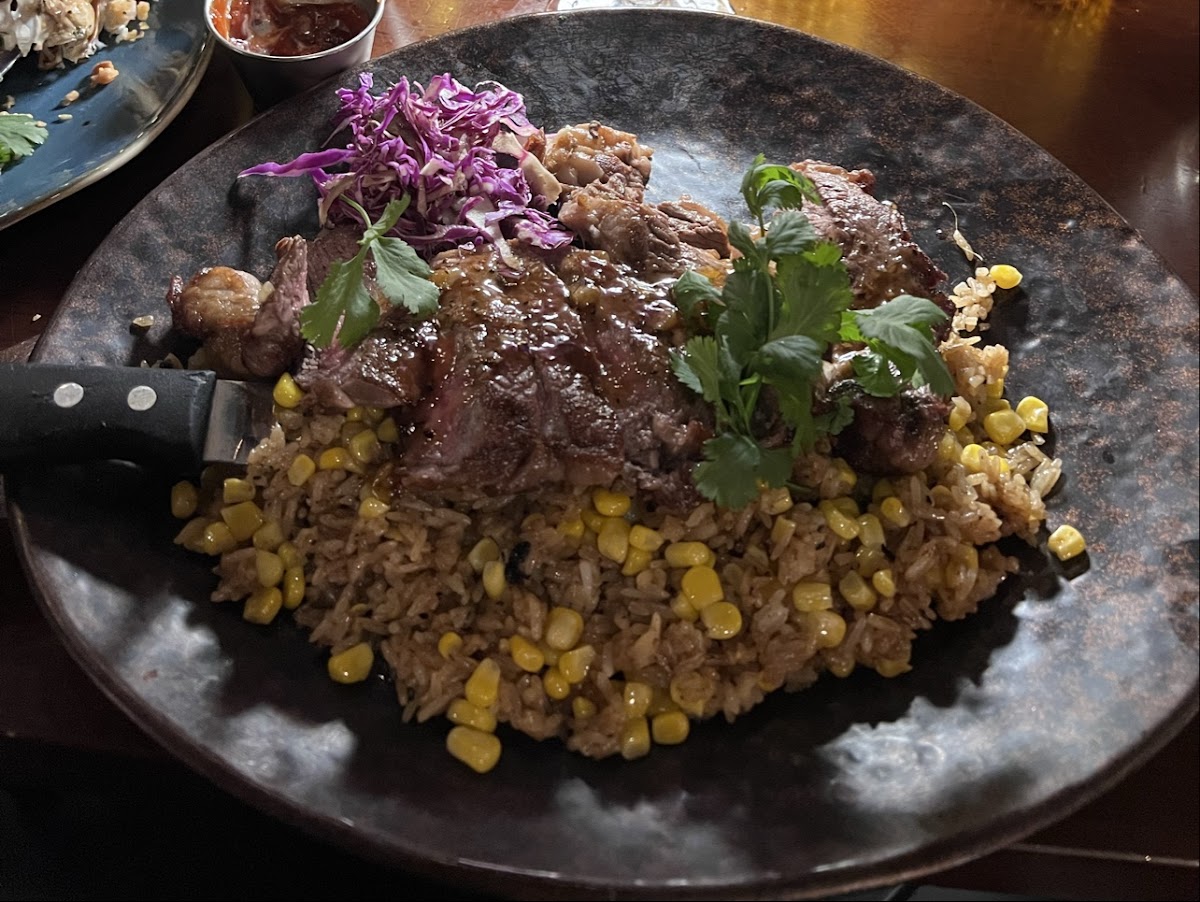
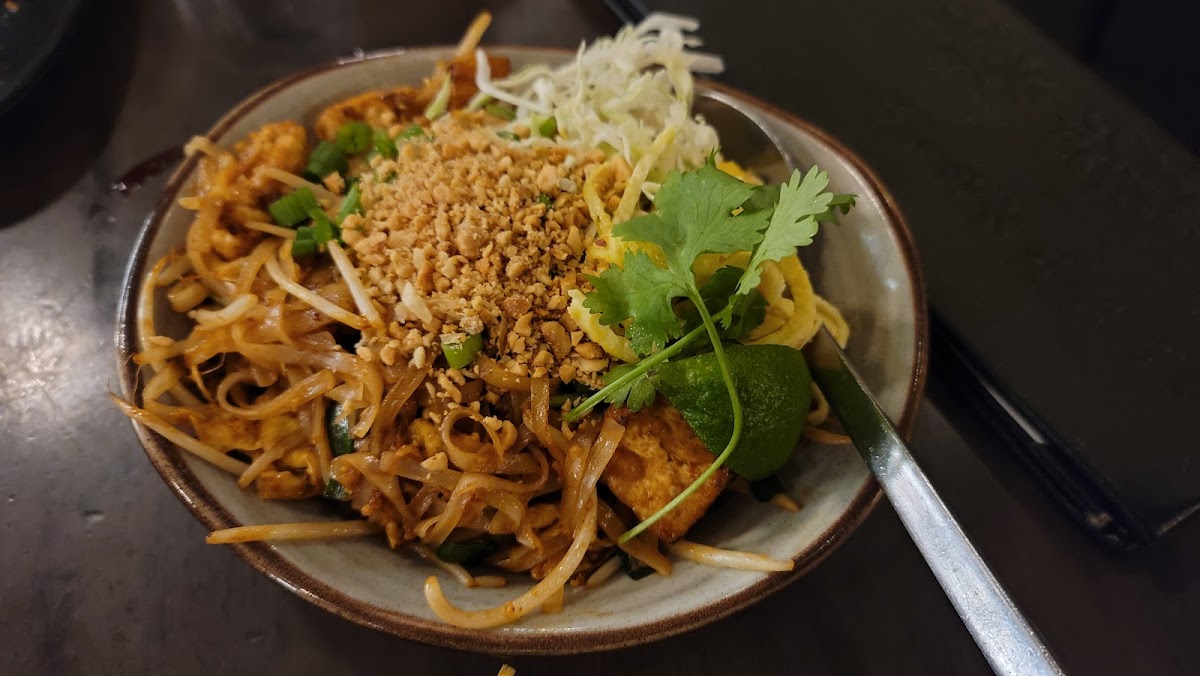
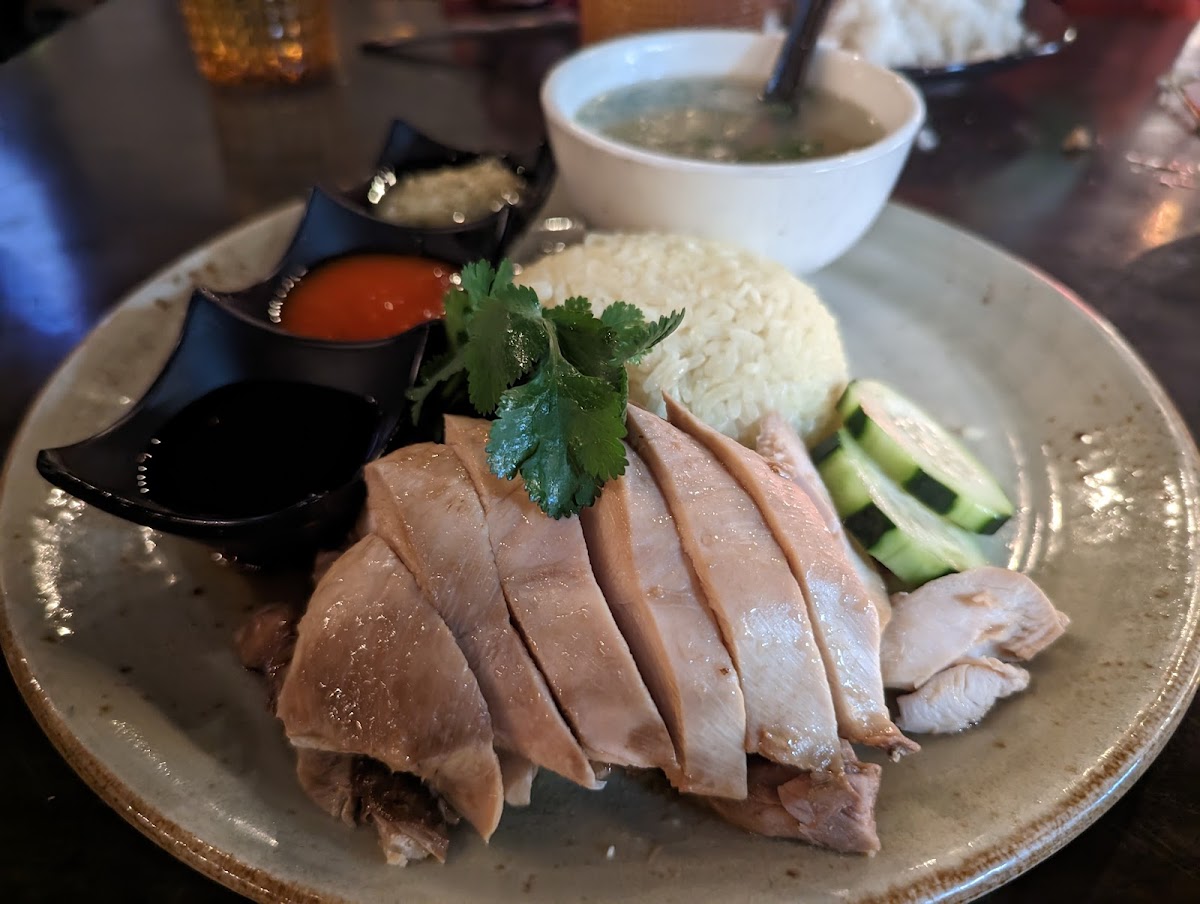
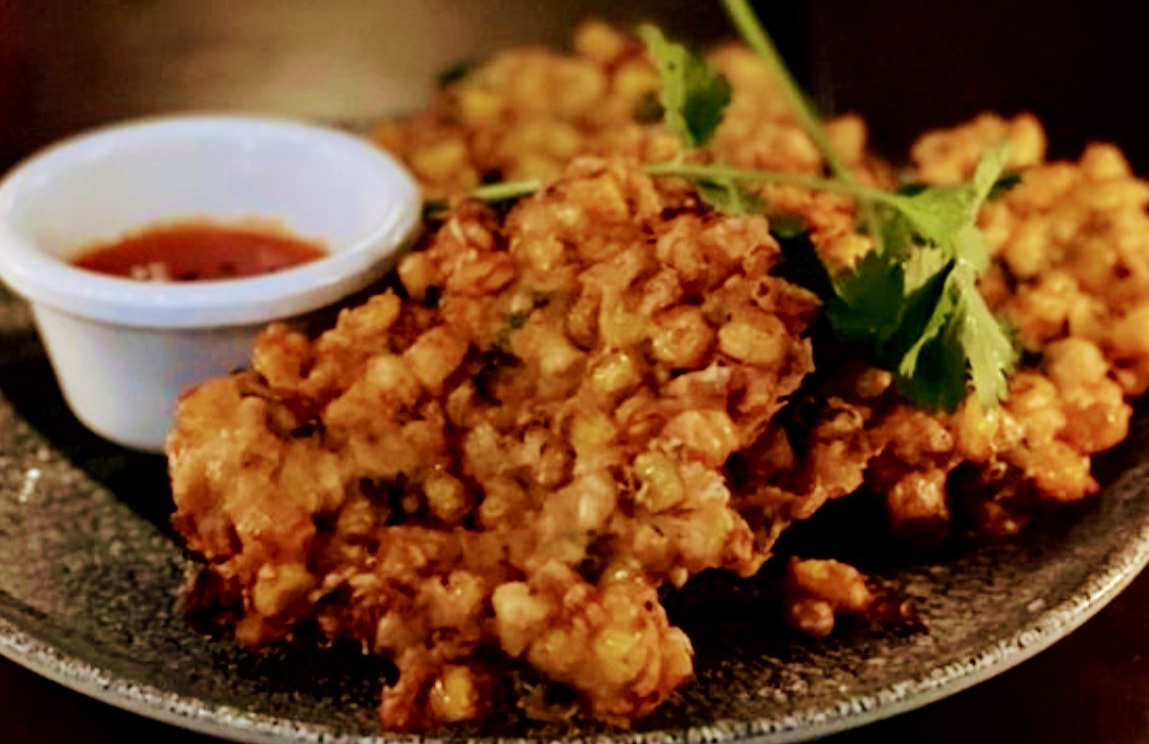
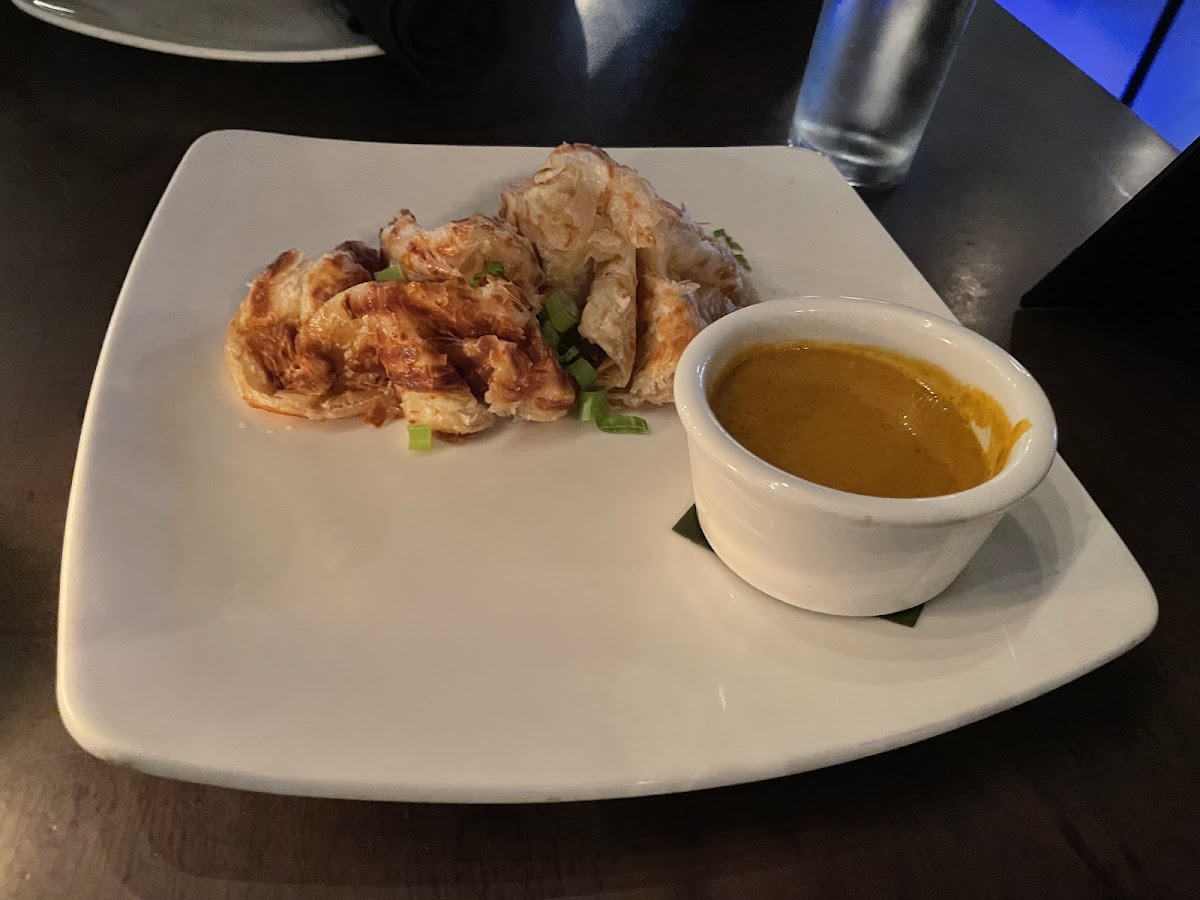
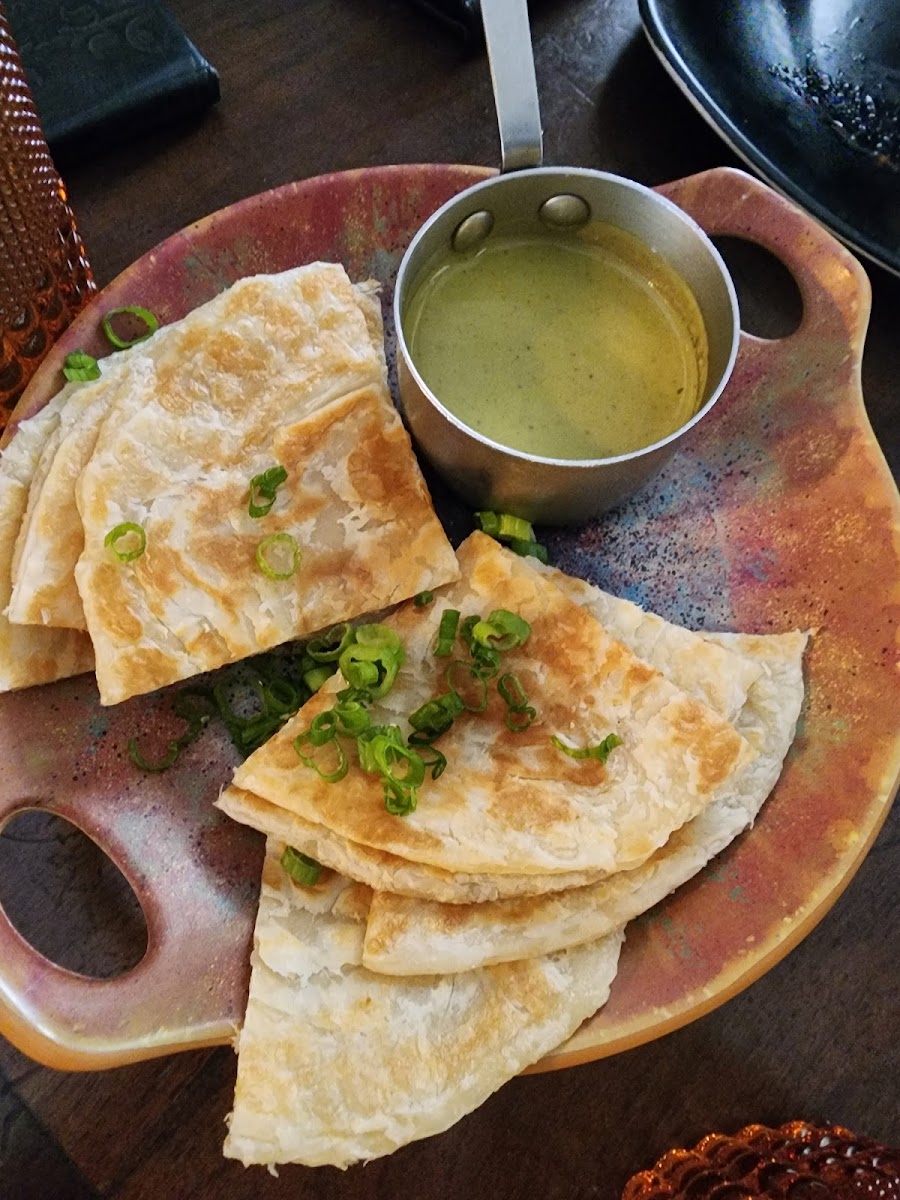
The menu has traditionally been the heart of the experience. Drawing from Singaporean, Malaysian, and broader Pan-Asian cooking, it balanced bold flavors with familiar formats. Dishes like laksa-style noodles, wok-seared seafood, and richly spiced curries were designed to be shared, which matched the social energy of Santana Row. From a practical standpoint, this sharing approach mirrors what food researchers often highlight about communal dining: studies published by organizations like the National Restaurant Association show that shared plates increase customer satisfaction and perceived value, especially in urban dining districts. You could see that play out here when tables ordered multiple small plates instead of sticking to a single entrée.
From an experience perspective, what stood out was consistency. On repeat visits, the kitchen followed a clear process: sauces were prepared in advance using classic reductions, proteins were cooked à la minute, and plating stayed clean without being overly stylized. This kind of workflow is common in high-volume restaurants that still want to preserve flavor integrity. Culinary professionals often point out that disciplined prep work is what allows complex cuisines to scale, and that was evident every time a dish hit the table tasting the way it should.
Reviews over the years have reflected a similar pattern. Many diners praised the balance between spice and freshness, while others noted that the menu offered enough variety for mixed groups with different comfort levels around heat. On popular review platforms, guests frequently mentioned the lively atmosphere and the reliability of signature dishes. At the same time, some feedback pointed to fluctuations during peak hours, which is a fair limitation to acknowledge in any busy Santana Row location where foot traffic can surge unexpectedly.
The location itself played a major role in the overall appeal. Being situated in Santana Row meant easy access, ample nearby parking, and the option to turn dinner into an evening out. From a business perspective, restaurant analysts often cite Santana Row as one of San Jose’s strongest dining corridors, benefiting from a blend of locals, tourists, and professionals. That steady stream of diners likely influenced menu decisions, keeping offerings bold but not niche to the point of alienating newcomers.
In terms of expertise and culinary roots, the restaurant concept was shaped by chefs with deep familiarity in Southeast Asian flavor profiles, blending traditional techniques with modern American dining expectations. Food historians from institutions like the Smithsonian’s Asian Pacific American Center have documented how this kind of fusion dining helped introduce broader audiences to regional Asian cuisines in the early 2000s. Straits fit squarely into that movement, acting as a gateway for diners who might not otherwise explore these flavors.
Trustworthiness also comes from transparency. Menu items, ingredients, and pricing were always clearly presented, and staff typically explained dishes without overselling them. That openness builds confidence, especially for first-time guests navigating unfamiliar names and spice levels. It’s worth noting that menus, hours, and availability can change over time, so checking current details before visiting is always a smart move.
Taken as a whole, dining at Straits Restaurant was about more than just eating. It blended location, process, and flavor into an experience that felt grounded yet energetic. Whether you came in for a casual meal, a business dinner, or to explore a diverse menu with friends, it delivered a snapshot of modern Asian-inspired dining shaped by real culinary practice and the rhythms of San Jose life.